


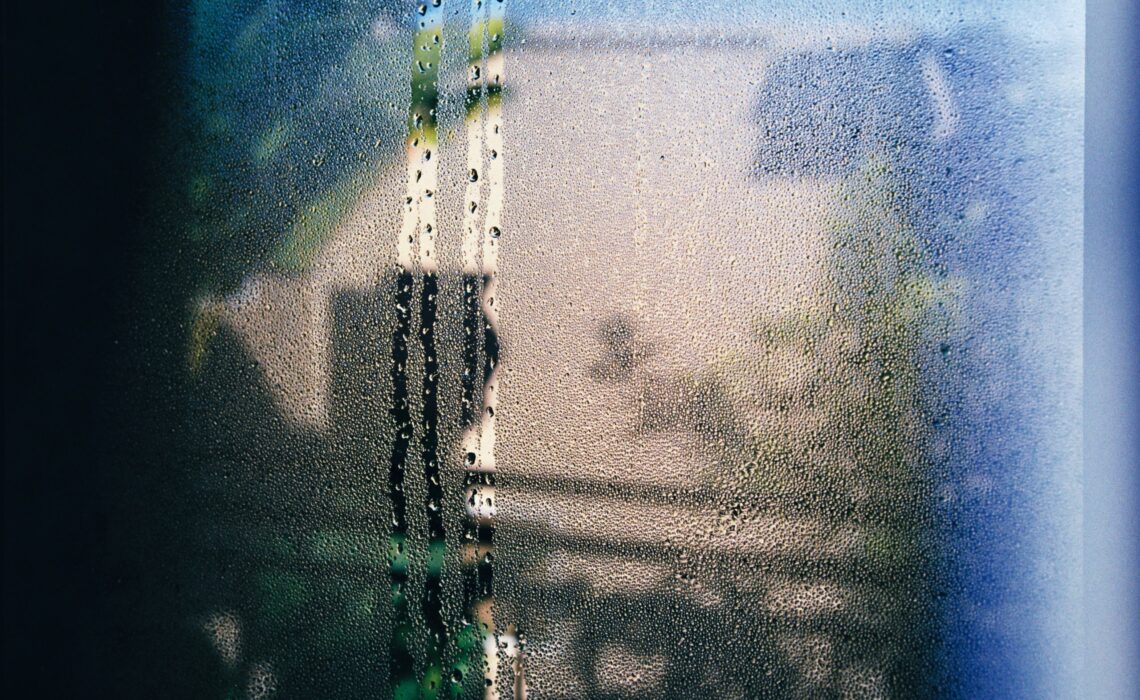
Stop damp and mould in the home
The most common causes of damp and mould in the home is condensation. Condensation occurs when moist air meets cold surfaces and condenses into water droplets. These droplets contain bacteria that form mould spores which look like black dots, this is a sign that the room isn’t ventilated and/or heated properly. You can control condensation by following the steps below. If untreated mould may cause ill-health or make existing heath conditions worse.
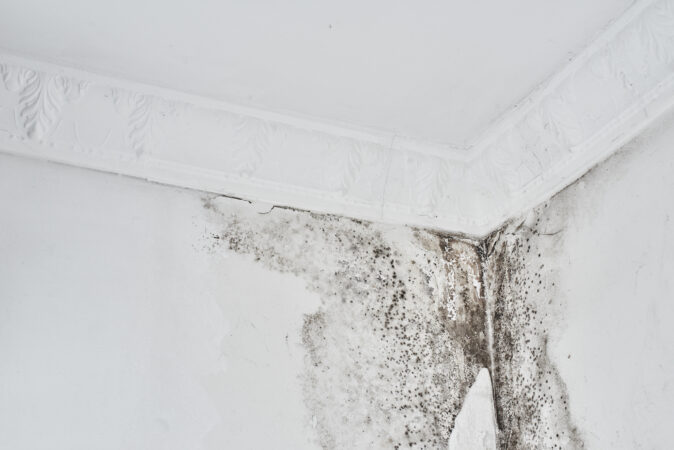
We create moist air in our homes through everyday activities; cooking, bathing, drying clothes and breathing . A family of 4 can generate around 20 litres of water from moist air each day, therefore it’s important we allow this to escape outside. The bath/shower room and kitchen produce the highest volume of moist air, so ensure these have good ventilation using extractor fans or opening windows and keeping doors shut to the rest of the home. Windows fitted with draft seals retain heat but also prevent moist air escaping. Open windows to help flush moist air out. If your windows are fitted with trickle vents, ensure they are open at all times. A dry room is cheaper to heat than a damp one.
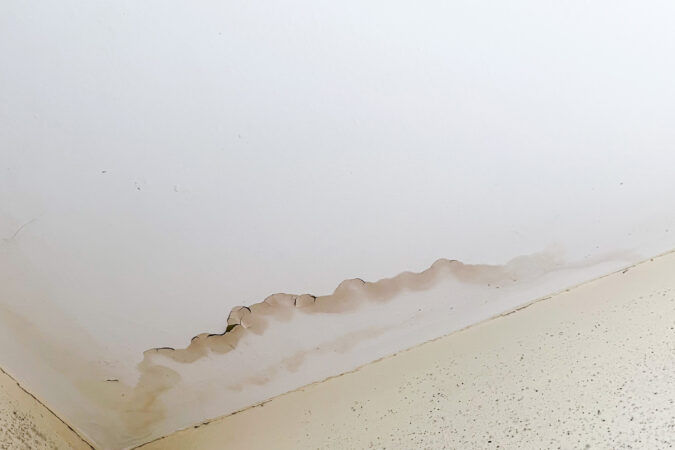
The other cause of damp is water penetration through the fabric of your home. This could be outside from the roof, guttering, windows, doors and floor, or inside caused by a leaking pipe or from a flat above. This looks like a stain or irregular shape with flaking paint around the edge if this is significant, please contact our repairs team urgently on 01792 479200.
How to reduce condensation in your homeStep 1: Reduce moisture
- Close bath/ shower room and kitchen doors when bathing or cooking to prevent moist air condensing in cooler rooms
- Dry clothes outside where possible or in bath/ shower room with window open or fan on and door shut
- Do not dry clothes directly on radiators as this causes a sharp increase in moist air
- If you use a clothes airer, ensure the room door is shut and the window open.
- Vent tumble dryers to outside if possible and keep room door shut
- Cover pans when cooking
- Do not use bottled gas or paraffin heaters as they can generate a lot of moisture
Step 2: Ventilate your home
- Allow air to circulate around furniture with spaces between the furniture and walls
- Open windows for periods each day and keep trickle vents open at all times to allow natural ventilation
- When cooking or washing open a window for around 20 minutes after you finish to allow excess moisture to escape
- Extractor fans should be used whenever bathing and if fitted when cooking
- When using extractor fans in shower/bathroom and kitchen, keep the windows in the room closed as the fan will draw air from the outside, rather than damp air from the room
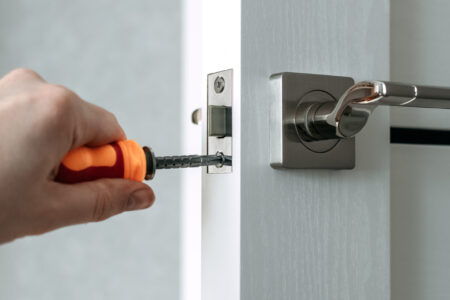
- Make sure all fans and air vents are working correctly, if not please contact us to arrange a repair
- If your home is not fitted with an extract fan, please contact us to arrange an installation
Beacon provides high-quality, affordable homes that are properly maintained through planned maintenance. It’s important you report any repairs and maintenance issues that might occur outside of planned maintenance, so that these can be properly addressed.


 English
  Welsh
Welsh