


Doing our bit
Climate change, biodiversity decline, and species extinction are all tragic realities. We all have a responsibility to do what we can to tackle these problems, and Beacon is no different. We are passionate about making as positive an impact as we can, and are always exploring ways we can better achieve environmental sustainability.
Sustainable Estates
Our Estates Services Team have been working hard reviewing their service, and identifying ways they can reduce and limit any negative environmental impact. The landscapes we maintain offer habitat, shelter, pollination, and food opportunities for many hundreds species of birds, bees, butterflies, bugs and more. Conservation of these habitats and their ecosystems is very important to us.
Here are some of the ways our Estates Services Team are improving their environmental sustainability.
Reduced Mow Areas
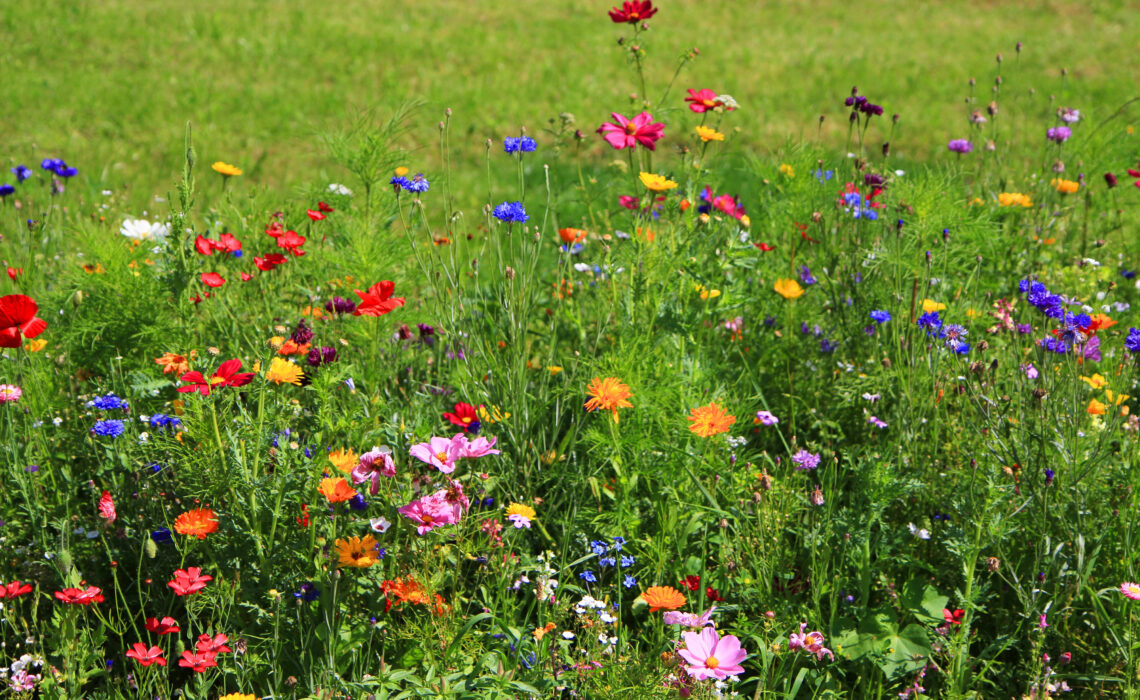
Areas of long grass and wildflower that are exempt from the regular mowing routine. These long grasses offer shelter and habitat for many invertebrates. They also make for a more sensory landscape, with longer grasses interacting with the wind, swaying and rustling, and wildflowers providing a more colourful palette. These areas can often include native wildflowers that a regular mowing routine would prevent from emerging. They offer a more biodiverse, natural, nature-based, and climate-change resilient landscape. These areas are usually cut in March, then left to thrive until September/October.
Wildflower Beds
Our caretakers have been identifying areas where they can install wildflower beds and borders, sowing new seed where necessary to increase the population of native wildflower. This will encourage pollinators like bees, butterflies, moths etc. to visit, making the landscape more biodiverse, sensory and interactive.
Cleaner Energy
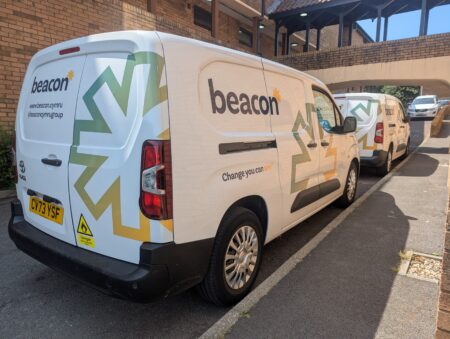
We have introduced a number of electric vehicles into our fleet of vans, and have also exchanged a lot of our petrol-engined garden machinery for rechargeable-battery versions. This investment in ‘cleaner’ energy helps reduce noise and air pollution.
Composting
Lots of our caretakers are now pursuing self-sufficient schemes, where the green-waste they create one year, becomes the growing-medium for the next. On-site composting of grass clippings, plant waste, autumn leaves etc., means we are reducing waste and reusing organic material. This organic compost is used when planting, or as seasonal organic mulch.
Material Recycling
Our caretakers love being creative with how they reuse offcuts of timber, recycled materials, felled trees etc. This not only reduces waste being transported to landfill, it also creates unique and interesting landscapes.
Tree Planting
Trees are a great source of carbon consumption. They play a vital role in the fight against climate change. They also offer habitat and food for our native birds. We accept donations of native trees from The Wildlife Trust every year, and our Estates Services Team plant them throughout our communities, often with the help of community groups and members.
Reduced Chemical Use
We are actively pursuing alternatives to Glyphosate for chemical Weed Control. We have reduced our Glyphosate usage considerably, and encourage our caretakers to organically weed wherever possible.
Habitat Creation
Our caretakers are encouraged to create new wildlife habitats where possible, often out of recycled materials. Habitats can include bird/bat boxes, hedgehog homes, solitary bee habitats, bug hotels, leaf piles, dead-wood piles. Our Reduced-Mow areas also provide habitat opportunities for many hundreds species of invertebrates.
Environmental Education
Our Estates Services and Housing Teams regularly host seasonal events within our communities. These can include Easter, summer, Halloween and Christmas events. We always try to use these events as an opportunity to promote environmental sustainability to those in and around our communities. In the past we have sown wildflower seed with local children, created wildflower seed-bombs, and made bird-friendly “reindeer food” for Christmas.
Community Gardens
Our Estates Services Team are always happy to discuss how we can use our communal gardens and landscapes to better serve the environment or the community. We have created community allotments, nature gardens, gardening groups, installed raised planters etc., where the community have expressed interest in exploring the potential of their communal spaces. These installations promote cohesive communities, sustainable food growing, skill sharing, and positive physical and mental health and wellbeing.
Community Work
Our Estates Services Team are passionate about maintaining clean, safe, healthy, and environmentally sustainable landscapes and communities. They have contributed to local rubbish amnesties and beach cleans, offered help and expertise to local schools, helped promote local charitable campaigns, and are always striving to increase community engagement in recycling, waste reduction, and fly-tipping prevention.

 English
  Welsh
Welsh