



As a housing provider working in several local authorities across south Wales, Beacon is aware of growing concerns and confusion surrounding the allocation of new and existing homes to ‘migrants’.
This page contains accurate information on the situation as it relates to the UK and eligibility for social housing through Beacon and other social housing providers. It has been updated to reflect recent changes to the UK asylum system announced in early 2026.
Understanding migration and relevant terms
Emigration just means moving from this country to live abroad.
Immigration just means moving from another country to live here.
Anyone who moves here for any reason is a migrant, but they will have different rights and encounter different processes depending on why they’re moving.
Some reasons for moving are to work, to study, for family reasons or to escape from a dangerous situation. When a migrant is moving for this last reason and using their legal right to ask for protection under the 1951 Refugee Convention, they are known as an asylum seeker. If they are granted asylum, they are given refugee status or humanitarian protection.
If someone remains in the UK beyond the terms of their visa or after an asylum claim has been turned down, they are sometimes referred to as an illegal immigrant.
Migration levels vary from year to year. You can find more information on migration levels here.
Common myths about immigration and housing
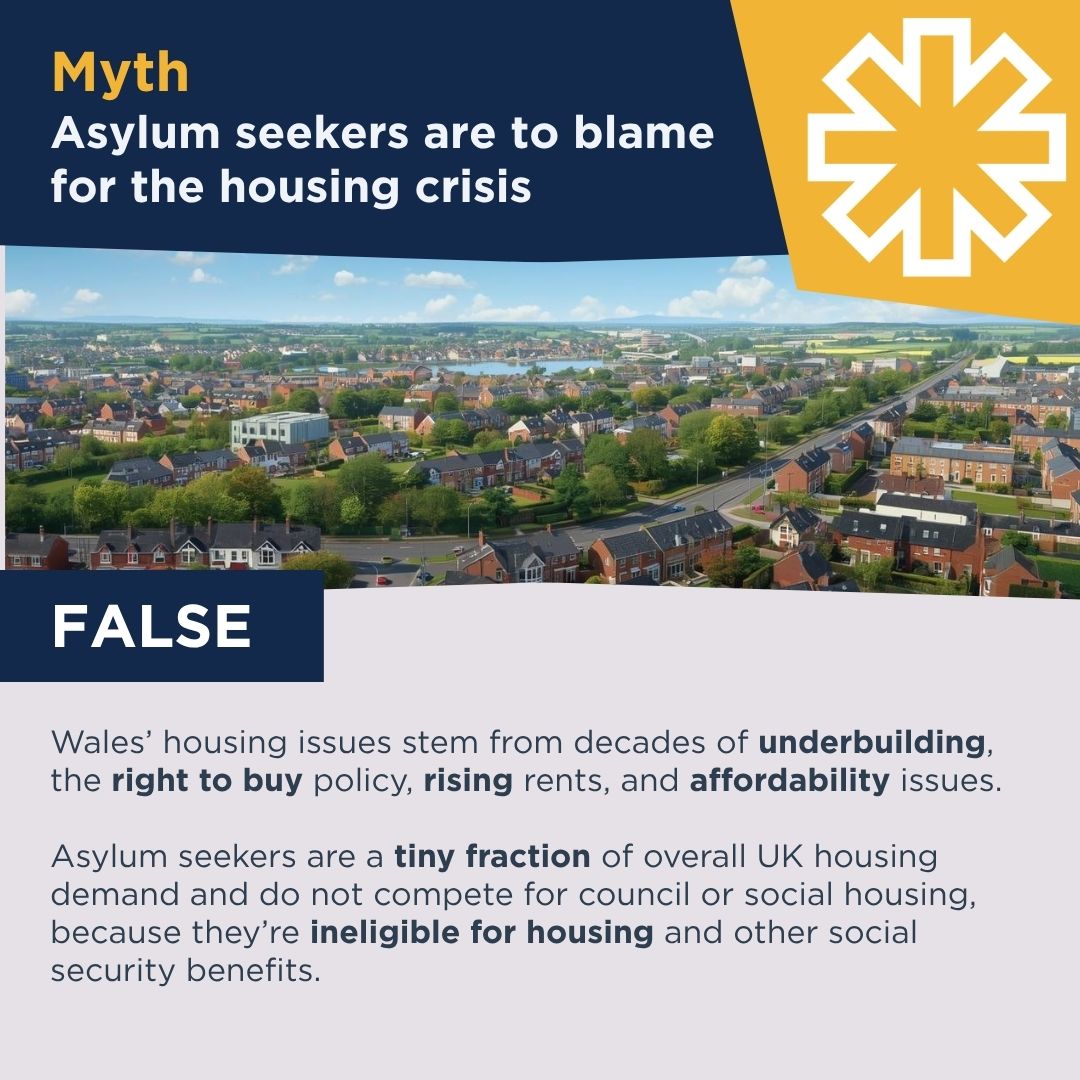
Immigration, housing and other welfare benefits
UK Government is responsible for all immigration into the UK, including Wales, through its visas and immigration department (UKVI). When someone comes to the UK on a visa (to work, study, or join family), they get some, but not all, of the rights available to UK citizens. For example, they can use the NHS but must pay a surcharge (currently £1,035 per year for adults). However, most visa-holders cannot get welfare benefits like Universal Credit or social housing with Beacon, councils or similar organisations.
People who are seeking asylum in the UK have different rights to UK citizens and visa-holders:
- They do not pay a surcharge for NHS services whilst their claim is being processed.
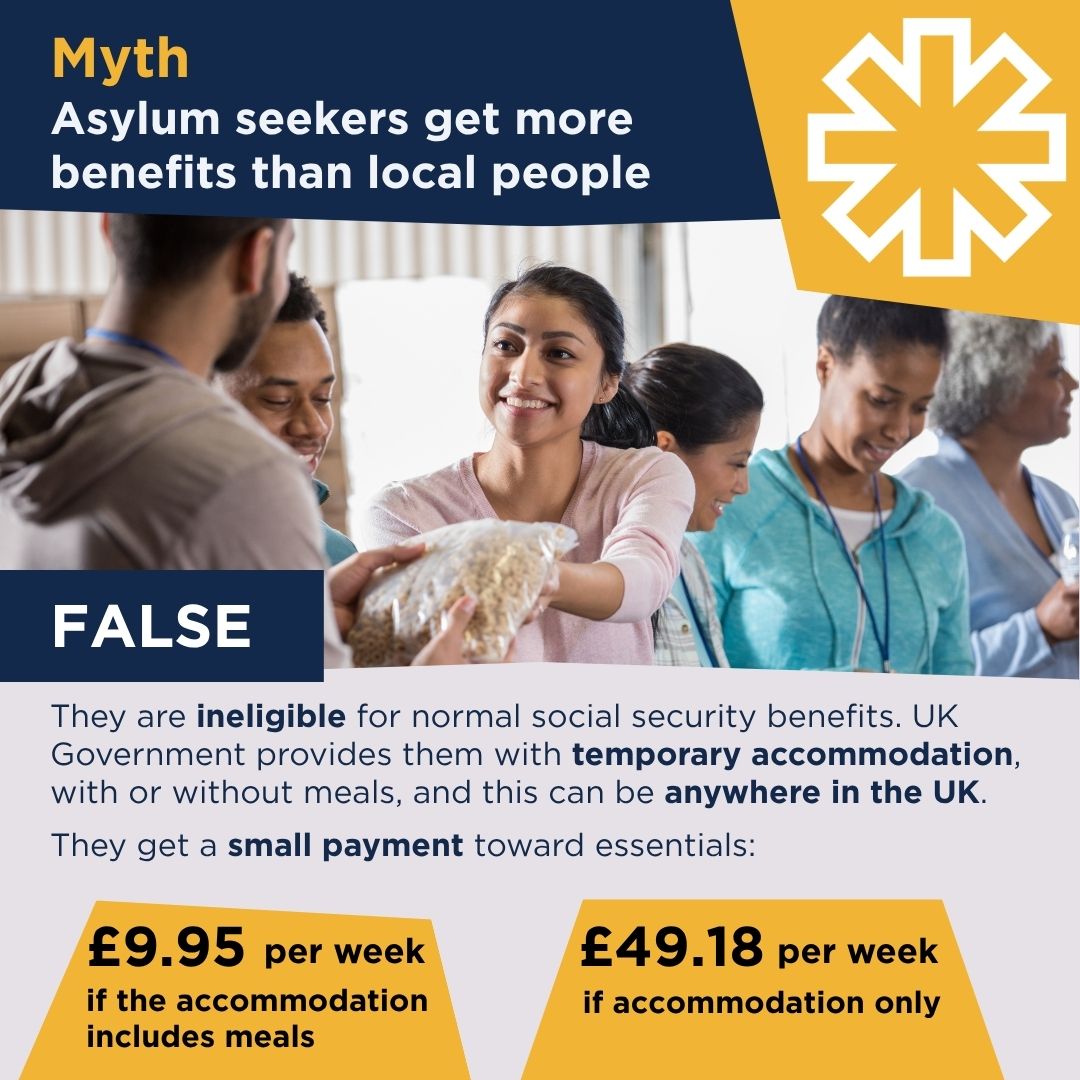
- They are not allowed to choose where they live and cannot access social housing. They are housed in temporary accommodation by UK government and this can be anywhere in the UK.
- They cannot work or claim welfare benefits like Universal Credit or Child Benefit etc. Instead, they receive limited support from the Home Office, which is set according to their housing situation:
- £9.95 per week, if accommodation includes meals
- £49.18 per week, if accommodation only
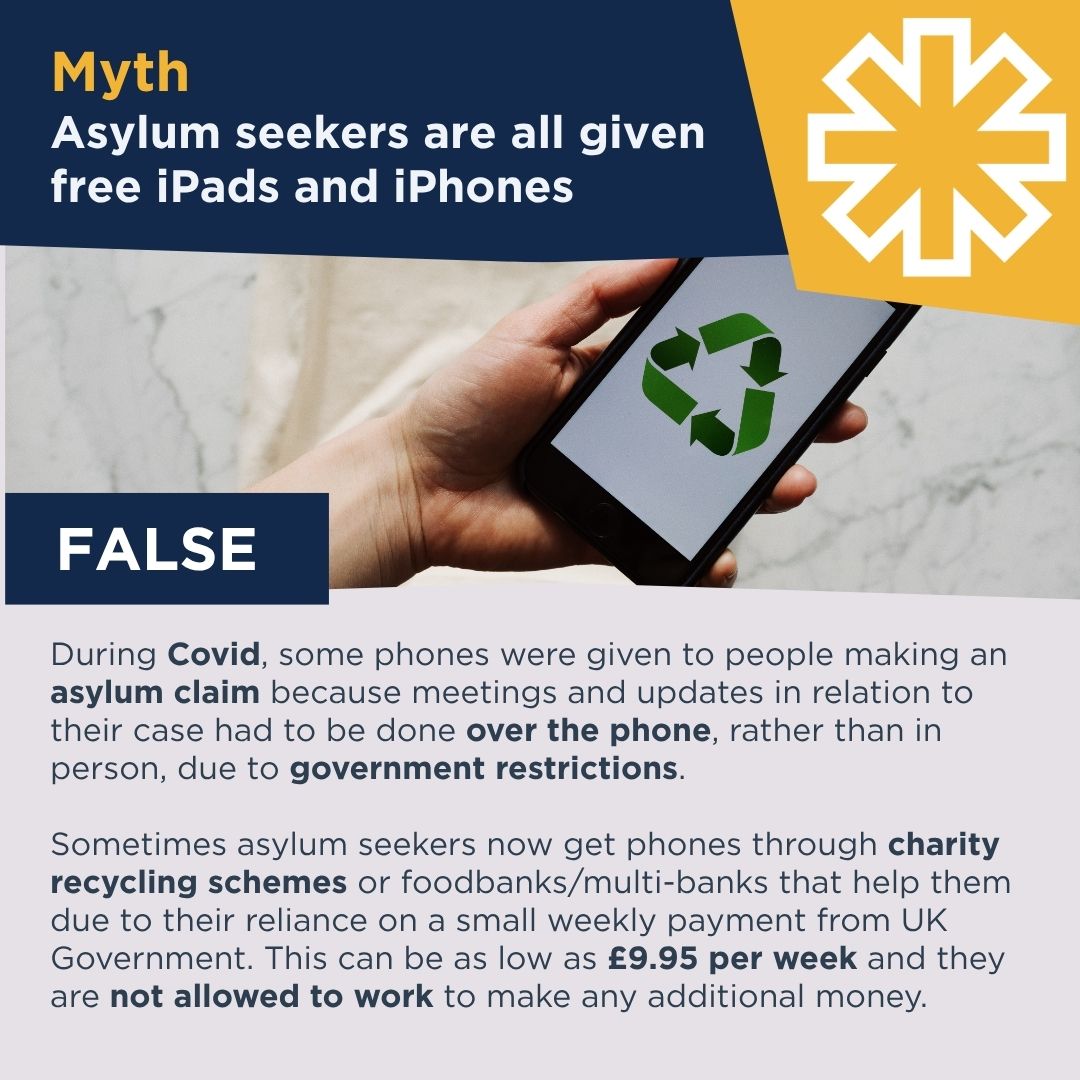
- Because these payments are so low and they are not allowed to work to earn more money, lots of asylum seekers rely on foodbanks, multibanks and other charities that help people on low incomes with food, clothes, hygiene products and sometimes electrical appliances and phones.
If they are granted asylum, they are given refugee status or humanitarian protection that provides similar rights to those of UK citizens. This can include access to welfare benefits and social housing with organisations like Beacon, depending on the outcome of their claim.
Since March 2026, most people granted asylum receive 30 months’ protection at a time, rather than a single longer period. Their status is regularly reviewed, and they may be required to return home if conditions change. This is known as the ‘core protection’ model, where refugee status is temporary and conditional. This means their eligibility to access social housing also becomes temporary and subject to regular review.
48,723 asylum cases (c65,000 people) were awaiting an initial decision in the most recent official release (Feb 2026). This is down from 71,000 cases and c91,000 people in June 2025.
 English
  Welsh
Welsh